 Skip to content
Join with SuperTins, your go-to source for premium custom tins. Elevate your brand with our wholesale options tailored to your industry.
Ultimate Guide Custom Tin Packaging Manufacturing 2026
Date : June 30, 2026 | Time : 8:49 am
Custom tin packaging drives global packaging revenues annually, growing yearly through 2031. You need the right manufacturer to transform your packaging vision into reality. This complete buyer's guide reveals everything about materials, printing methods, certifications, and manufacturing processes. You'll master MOQ requirements, lead times, and quality standards while discovering how to select reliable custom tin packaging partners.
SuperTins leads the custom tin packaging industry with FDA certified materials, flexible MOQ starting at 1,000 units, and comprehensive manufacturing capabilities serving global brands.
How Custom Tin Packaging Materials Determine Your Product Success
Your material selection directly impacts product freshness, durability, and consumer perception. Food grade tinplate dominates 78% of custom tin packaging applications due to superior barrier properties and safety compliance.
Understanding material specifications helps you make informed decisions. The right materials protect your products while meeting regulatory requirements across global markets.
Food Grade Tinplate: The Industry Standard
Food grade tinplate combines steel strength with tin coating protection. SuperTins exclusively uses electrolytic tinplate meeting FDA 21 CFR 175.300 standards for direct food contact. This material prevents oxidation while maintaining product integrity for 24+ months.
Tin coating thickness ranges from 2.8 to 11.2 grams per square meter. Higher tin weights provide enhanced corrosion resistance for acidic products like tomatoes or citrus fruits. The electrolytic process ensures uniform coating distribution across the entire sheet.
Steel substrates use low carbon grades with excellent formability. MR grade steel works perfectly for basic applications. D grade steel suits deep draw requirements. DR grade steel handles complex shapes and intricate designs.
Steel Core Specifications and Applications
| Steel Grade | Temper Range | Primary Applications | Formability Rating |
|---|---|---|---|
| MR Grade | T50-T65 | Basic tins, cookies, tea | Excellent |
| D Grade | T57-T61 | Deep-draw containers | Superior |
| DR Grade | T52-T65 | Complex shapes, gift tins | Outstanding |
| L Grade | T50-T70 | Light-weight applications | Good |
Protective Coatings and Food Safety
Internal lacquers create the final barrier between products and metal surfaces. Epoxy phenolic coatings work best for dry goods storage. Polyester linings suit acidic products perfectly. These coatings must pass migration testing per FDA requirements.
SuperTins applies food grade coatings through spray application or coil coating methods. This ensures uniform coverage and consistent quality across production runs. All coating formulations undergo third party testing for safety compliance.
BPA-free coating options are available for health conscious brands. These advanced formulations provide equivalent protection without controversial chemicals. Cost premiums range from 8-15% depending on volume requirements.
Thickness and Durability Considerations
Tinplate thickness directly affects durability and manufacturing costs. Standard thicknesses range from 0.13mm to 0.49mm for custom tin packaging applications. Thicker materials cost more but provide superior dent resistance and a premium feel.
Lightweight formulations reduce shipping costs while maintaining structural integrity. SuperTins optimizes thickness based on your specific application requirements. This balanced approach minimizes costs while ensuring adequate protection.
What Custom Tin Packaging Printing Methods Transform Your Brand
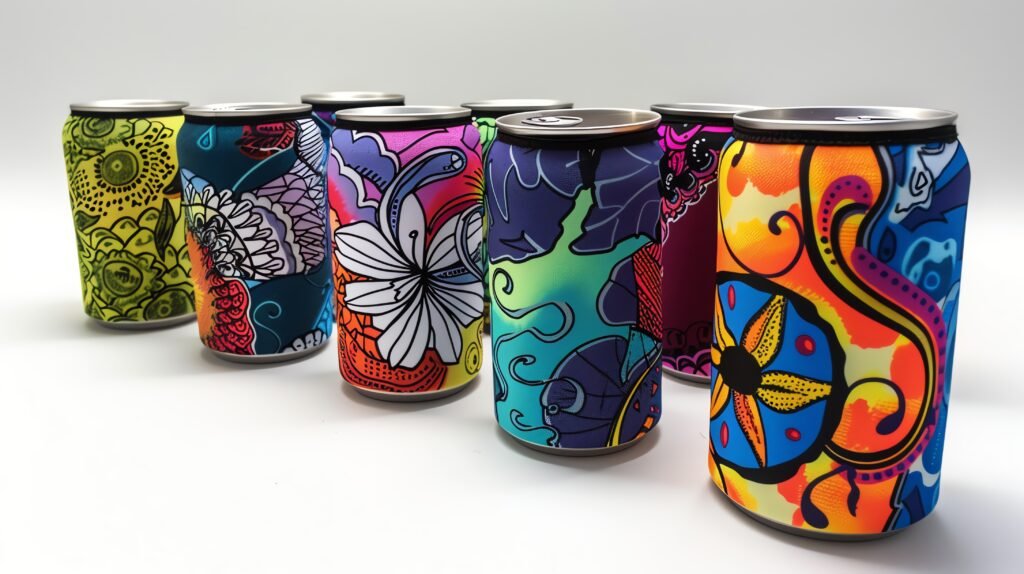
Printing technology determines visual impact and shelf appeal performance. Modern custom tin packaging offers multiple printing methods serving different aesthetic requirements and budget constraints.
Each printing method provides unique advantages for brand presentation. Understanding these differences helps you select optimal decoration approaches for maximum consumer engagement.
UV Printing: Premium Quality and Exceptional Durability
UV printing delivers photographic quality with exceptional scratch resistance. This method cures ink instantly using ultraviolet light energy. Results include vibrant colors that resist fading for years.
UV printing works excellently for intricate designs, smooth gradients, and photographic elements. Color accuracy exceeds offset printing standards. Surface durability surpasses conventional methods significantly.
Cost ranges from $0.18 to $0.52 per tin, depending on color count and design complexity. Production speeds reach 2,800 tins per hour with minimal setup time requirements. Rush orders incur 25-40% premium pricing.
Crystal Sticker Applications and Visual Enhancement
Crystal stickers add premium texture and distinctive visual depth. These clear polyurethane overlays protect underlying graphics while creating unique tactile experiences. Crystal stickers resist scratching, chemicals, and UV degradation effectively.
| Sticker Type | Thickness | Durability | Best Applications |
|---|---|---|---|
| Standard Crystal | 0.175mm | 2-3 years | Indoor products |
| Heavy Duty | 0.250mm | 5+ years | Outdoor/industrial |
| Textured | 0.200mm | 3-4 years | Luxury packaging |
| Anti-slip | 0.225mm | 4-5 years | Handled containers |
Application costs range from $0.15 to $0.35 per tin based on coverage area. Complex shapes require manual application, increasing labor costs. Automated equipment handles simple geometric shapes efficiently.
Embossing: Adding Sophisticated Texture
Embossing creates raised or recessed patterns, enhancing perceived value significantly. This process uses precision steel dies to form three dimensional effects before printing. Embossed elements catch light differently, creating dynamic visual interest.
SuperTins achieves embossing depths up to 1.2mm while maintaining structural integrity. Combined with selective printing techniques, embossing creates sophisticated packaging commanding premium pricing. Setup costs range from $800 to $2,500 per design.
Multi level embossing creates complex visual effects. This technique combines different depth levels within a single design. Costs increase proportionally with complexity levels but deliver exceptional brand differentiation.
Offset Printing for High Volume Applications
Traditional offset printing remains cost effective for runs exceeding 8,000 units. This method delivers consistent color reproduction and smooth gradient transitions. Setup costs are higher, but per unit printing costs decrease significantly with volume.
Four color process printing handles most design requirements effectively. Spot colors add premium touches when needed. Pantone matching ensures brand color consistency across production runs. SuperTins maintains offset printing capabilities for high volume projects with dedicated color management systems, ensuring accuracy.
Why Custom Tin Packaging Shapes Drive Consumer Engagement
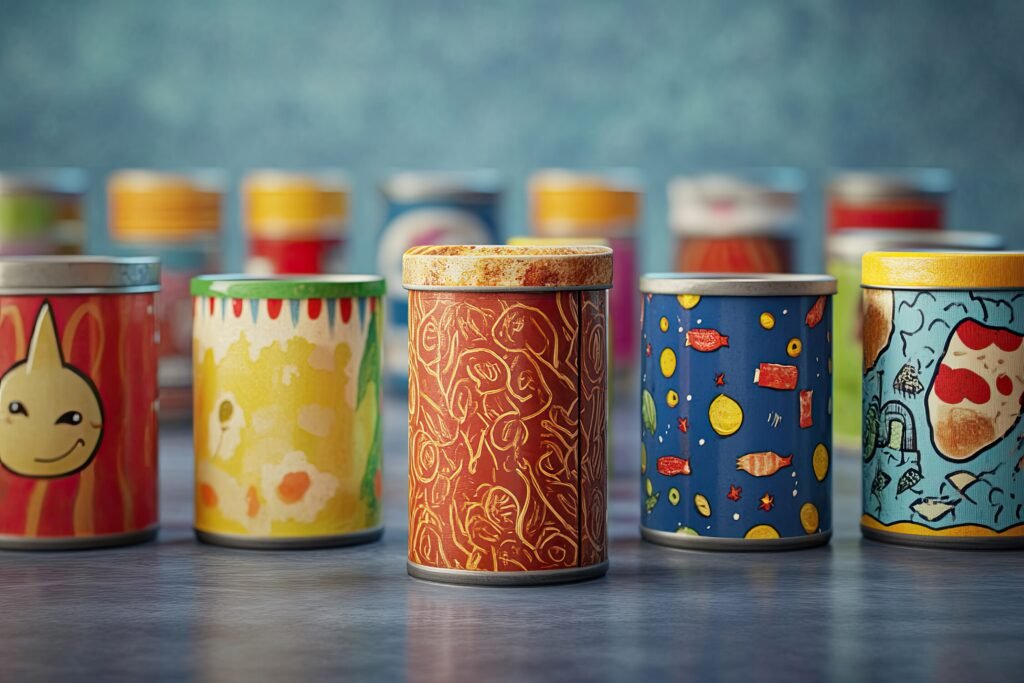
Shape psychology influences purchase decisions at the point of sale significantly. Square and rectangular containers convey stability and practicality. Round tins suggest premium quality and gourmet positioning effectively.
Smart shape selection enhances brand perception while optimizing manufacturing costs. Understanding shape capabilities helps you balance aesthetics with budget requirements.
Standard Shape Categories and Applications
SuperTins maintains tooling for 450+ standard shapes, eliminating custom tooling costs for most projects. These shapes cover 87% of packaging applications across the food, cosmetic, and promotional industries.
Rectangular Tins: Optimal for cookies, candies, and tea products. Efficient shipping characteristics and storage optimization. Stack perfectly for retail display systems.
Round Tins: Perfect for premium chocolates, cosmetic products, and seasonal gifts. Creates luxury perception and premium positioning. Higher manufacturing costs are justified by perceived value.
Oval Shapes: Unique appearance with practical benefits. Space efficient for specific product categories. Growing popularity in cosmetic applications.
Custom Shape Development Process
Custom shapes require new tooling investments ranging from $3,200 to $18,500, depending on complexity levels. Development timelines span 4-8 weeks, including prototyping and testing phases.
| Shape Complexity | Tooling Cost | Development Time | Minimum MOQ |
|---|---|---|---|
| Simple geometric | $3,200-$6,500 | 4-5 weeks | 3,000 pieces |
| Moderate curves | $6,500-$11,000 | 5-6 weeks | 5,000 pieces |
| Complex 3D forms | $11,000-$18,500 | 6-8 weeks | 8,000 pieces |
| Character shapes | $15,000-$25,000 | 7-9 weeks | 10,000 pieces |
SuperTins provides 3D prototypes for approval before tooling investment. This process prevents costly mistakes and ensures perfect results. Prototype costs range from $350 to $850 per design.
Size Optimization Strategies
Size directly impacts material costs, shipping expenses, and shelf presence factors. SuperTins recommends optimizing dimensions to standard shipping increments while maintaining product protection requirements.
Cube utilization affects shipping costs significantly. Rectangular shapes typically ship more efficiently than round containers. Size optimization reduces total packaging costs by 12-25% on average.
Standard size families share common components, reducing inventory complexity. This approach streamlines manufacturing while maintaining design flexibility. SuperTins offers size optimization consulting to balance aesthetics with cost efficiency for maximum profitability.
Specialty Shape Considerations
Character shaped tins create strong emotional connections with consumers. These shapes work excellently for seasonal products and promotional campaigns. Development costs are higher, but marketing impact justifies investment.
Hinged designs require precision engineering for proper operation. SuperTins maintains specialized tooling for hinged applications with smooth operation guaranteed. Quality testing ensures 10,000+ cycle durability. Nested designs maximize shipping efficiency while maintaining visual appeal. These shapes stack compactly, reducing transportation costs significantly.
How Custom Tin Packaging MOQ and Lead Times Impact Your Success
Understanding minimum order quantities and production scheduling prevents costly delays and budget overruns effectively. Industry MOQ requirements vary significantly based on customization levels and manufacturer capabilities.
Smart planning optimizes inventory investment while meeting market demands. Lead time management ensures product availability for critical launch dates.
MOQ Structure and Pricing Dynamics
SuperTins offers flexible MOQ options starting at 1,000 pieces for standard shapes with basic printing applications. Custom shapes and complex printing increase MOQ requirements due to setup costs and tooling investments.
Standard Shapes: 1,000-3,000 pieces depending on size and printing complexity
Custom Shapes: 3,000-12,000 pieces based on tooling requirements
Premium Finishes: 2,500-6,000 pieces for UV printing, embossing, or crystal stickers
Volume pricing provides significant savings opportunities. Orders exceeding 25,000 pieces receive 15-28% cost reductions. Annual contracts offer additional savings with guaranteed pricing protection.
Production Lead Time Management
Lead times encompass design approval, material procurement, production scheduling, quality control, and shipping phases. Rush orders are possible with premium pricing structures.
| Order Type | Standard Lead Time | Rush Service Available | Premium Cost |
|---|---|---|---|
| Standard tins | 18-22 days | 10-14 days | +35% |
| Custom printing | 20-28 days | 14-18 days | +45% |
| New tooling | 28-38 days | 20-26 days | +55% |
| Complex shapes | 32-45 days | 24-32 days | +65% |
Production scheduling flexibility accommodates seasonal demands. SuperTins maintains buffer capacity for urgent requirements. Advanced planning reduces costs while ensuring availability.
Quality Control and Manufacturing Standards
All custom tin packaging undergoes comprehensive quality control before shipping. SuperTins maintains FDA, ROHS, and SGS certifications through continuous testing and quality management systems.
FDA Compliance: All materials meet 21 CFR 175.300 for direct food contact applications
ROHS Certification: Restricts hazardous substances per European directive 2011/65/EU standards
SGS Testing: Third-party verification of material safety and performance characteristics
Quality documentation accompanies every shipment for complete traceability. Batch records include material certificates, test results, and production parameters. This documentation supports regulatory compliance across global markets.
Inventory Management and Warehousing Solutions
Smart buyers split large orders across multiple deliveries, managing cash flow and storage costs effectively. SuperTins offers warehousing services for up to 120 days at no additional charge, allowing flexible release schedules.
Just in time delivery reduces inventory carrying costs while ensuring product availability. Release schedules can be modified based on actual demand patterns.
Seasonal Planning and Capacity Management
Seasonal products require advanced planning for optimal results. Holiday packaging projects should begin 16-20 weeks before delivery requirements. This timing ensures tooling availability and production capacity. Peak season capacity gets allocated on a first-come, first-served basis. Early commitment secures production slots and preferred pricing. Late orders may face delays or premium pricing.
Annual planning meetings help optimize capacity utilization. SuperTins works with major clients developing 12-month production schedules. This approach guarantees availability while reducing costs.
What Custom Tin Packaging Certifications and Testing Ensure Product Safety

Product safety certifications protect your brand reputation while ensuring regulatory compliance across global markets. Understanding certification requirements prevents costly delays and market access issues. Proper testing validates material safety and product performance characteristics. These investments protect consumers while supporting successful market entry worldwide.
FDA Certification Requirements and Compliance
FDA regulations govern food contact materials under Title 21 CFR Parts 174-189. Section 175.300 specifically addresses resinous and polymeric coatings used in custom tin packaging applications.
Migration testing validates that coatings release minimal substances into food products. Test conditions simulate actual use scenarios, including temperature and contact time variables. SuperTins conducts migration testing for all food-grade coating systems.
Material suppliers must provide certificates of compliance for all components. These documents verify FDA approval for intended applications. SuperTins maintains comprehensive documentation supporting regulatory compliance.
ROHS Compliance and Environmental Safety
ROHS (Restriction of Hazardous Substances) directive 2011/65/EU limits dangerous materials in electronic equipment and consumer products. Custom tin packaging often requires ROHS compliance for global market access.
Restricted substances include lead, mercury, cadmium, hexavalent chromium, and specific flame retardants. Testing validates compliance through detailed chemical analysis. Certificates accompany each shipment, providing compliance documentation.
ROHS testing costs range from $450 to $850 per material system. Annual testing maintains certification status. SuperTins includes ROHS testing in standard service packages for applicable applications.
SGS Testing and Third-Party Validation
SGS (Société Générale de Surveillance) provides independent testing and certification services globally. Third-party validation adds credibility to safety claims and supports regulatory acceptance.
Standard test packages include material composition, migration testing, and physical property verification. Comprehensive testing covers all aspects of product safety and performance characteristics.
| Test Category | Testing Scope | Typical Cost | Timeline |
|---|---|---|---|
| Material Analysis | Composition, purity | $350-650 | 5-7 days |
| Migration Testing | Food safety compliance | $650-1,200 | 7-10 days |
| Physical Properties | Durability, performance | $280-520 | 3-5 days |
| Environmental | ROHS, heavy metals | $450-850 | 4-6 days |
Test reports provide detailed documentation supporting regulatory submissions. SuperTins maintains current test certificates for all standard materials and coating systems.
International Standards and Market Access
Different markets require specific certifications for product acceptance. European markets emphasize EN standards. Asian markets often require local testing and certification.
ISO 9001 quality management certification demonstrates consistent manufacturing processes. SuperTins maintains ISO certification with annual audits validating continued compliance. Market specific requirements should be evaluated early in project development. This planning prevents delays during market entry phases.
Documentation and Traceability Systems
Complete documentation supports regulatory compliance and quality management. SuperTins maintains batch records including material certificates, test results, and production parameters.
Digital documentation systems provide instant access to compliance information. QR codes on packaging link to complete batch documentation. This traceability supports recall procedures if needed. Certificate management ensures current documentation throughout shelf life periods. Automated renewal systems prevent certification lapses that could impact market access.
Custom Tin Packaging Technical Specifications and Quote Process
Technical specifications define project requirements, ensuring accurate pricing and successful manufacturing outcomes. Clear specifications prevent misunderstandings while supporting efficient production planning.
Professional quote processes evaluate all project aspects, providing comprehensive pricing with transparent terms and conditions.
Datasheet Requirements and Technical Documentation
Comprehensive datasheets capture all project requirements, including dimensions, materials, printing specifications, and quality standards. SuperTins provides standardized forms streamlining quote preparation and order processing.
Essential Specification Elements:
- Container dimensions (length, width, height, wall thickness)
- Material grades and coating requirements
- Printing specifications (colors, finishes, special effects)
- Closure types and mechanisms
- Quality standards and testing requirements
- Packaging and shipping specifications
CAD drawings provide exact dimensional specifications, eliminating ambiguity. SuperTins accepts multiple file formats, including DWG, STEP, and PDF formats. 3D models accelerate quote preparation and tooling development.
Quote Request Process and Evaluation Criteria
Professional quote requests include detailed specifications, quantity requirements, delivery timelines, and quality standards. Complete information enables accurate pricing and realistic delivery commitments.
Quote evaluation should consider total project costs, including tooling, setup, production, testing, and logistics expenses. Lowest quoted prices may not represent the best total value.
Key Evaluation Factors:
- Unit pricing across quantity breaks
- Tooling and setup costs
- Quality certifications and testing
- Delivery reliability and timing
- Technical support capabilities
- Financial stability and references
Sample Development and Approval Processes
Physical samples validate design concepts before production commitment. SuperTins produces samples using production materials and processes, ensuring accurate representation.
Sample costs range from $185 to $650 per design, depending on complexity and tooling requirements. Sample fees are credited toward production orders exceeding minimum quantities. Approval processes should include all stakeholders evaluating fit, finish, and functionality. Written approvals prevent misunderstandings during production phases.
Contract Terms and Production Agreements
Clear contracts protect both parties while establishing performance expectations. Standard terms include specifications, delivery schedules, quality standards, and payment terms. Intellectual property protection ensures design confidentiality throughout manufacturing relationships. Non-disclosure agreements protect proprietary information and design concepts.
Change order procedures accommodate specification modifications during production cycles. Clear procedures prevent disputes while maintaining schedule commitments.
Conclusion
Custom tin packaging success requires careful evaluation of materials, manufacturing processes, quality certifications, and supplier capabilities. Food-grade tinplate materials ensure product safety while advanced printing methods create compelling brand presentation. Understanding MOQ requirements, lead times, and certification needs prevents costly project delays. SuperTins combines comprehensive manufacturing capabilities with flexible service options supporting successful custom tin packaging projects across all industries and applications worldwide.
Frequently Asked Questions
How long does custom tin packaging development typically take?
Custom tin packaging development takes 18-28 days from design approval to delivery for standard applications. Projects requiring new tooling add 10-20 days for die creation and testing phases. Rush services are available with premium pricing starting at 35% additional cost.
What certifications should I require from custom tin packaging manufacturers?
Require FDA approval for food contact applications, ROHS compliance for hazardous substance restrictions, and SGS testing certification for third-party validation. ISO 9001 quality management certification demonstrates consistent manufacturing processes and quality control systems.
Can I order custom tin packaging in small quantities for testing?
Yes, minimum order quantities start at 1,000 pieces for standard shapes with basic printing applications. Custom shapes typically require 3,000-8,000 pieces, depending on tooling complexity. Sample quantities of 50-200 pieces are available for testing purposes.
What materials work best for food-grade custom tin packaging applications?
Food-grade tinplate with appropriate internal lacquers provides optimal protection for food products. Electrolytic tinplate meeting FDA 21 CFR 175.300 standards offers the best combination of safety, durability, and cost-effectiveness for direct food contact applications.
How much do custom printing options add to packaging costs?
UV printing adds $0.18-$0.52 per tin, embossing increases costs by $0.12-$0.38 per piece, and crystal stickers add $0.15-$0.35, depending on coverage area and design complexity. Volume discounts apply for quantities exceeding 10,000 pieces.