 Skip to content
Join with SuperTins, your go-to source for premium custom tins. Elevate your brand with our wholesale options tailored to your industry.
EU PPWR Packaging Regulation: Why Brands Are Exploring Recyclable Metal Packaging Solutions
Date : August 13, 2026 | Time : 9:14 am
Introduction
The packaging industry is entering a major transformation. Across Europe, brands are facing increasing pressure to reduce packaging waste, improve recyclability and adopt more sustainable packaging solutions. The European Union’s new Packaging and Packaging Waste Regulation (EU PPWR ) introduces stricter requirements for packaging design, recyclability and waste reduction, encouraging companies to rethink how their products are packaged.
For food, nutrition, supplement, coffee and tea brands, packaging is no longer only about appearance and protection. It has become an important part of brand sustainability strategy. As companies evaluate alternatives to traditional plastic packaging, recyclable metal packaging, especially steel-based tin containers, is emerging as one of the most practical options on the market.
So what does the EU PPWR packaging regulation actually require, and how can brands prepare before it takes effect? Here's what every food, nutrition and supplement brand selling in Europe needs to know.
1. What Is EU PPWR and Why Does It Matter for Brands?
The Packaging and Packaging Waste Regulation (PPWR) is a new European Union regulation designed to reduce packaging waste and improve packaging sustainability.
The regulation focuses on several key areas:
- Improving packaging recyclability
- Reducing unnecessary packaging waste
- Supporting a circular economy
- Encouraging more sustainable packaging design
The regulation entered into force in 2025 and will generally apply from August 2026.
For brands selling products in Europe, packaging decisions made today may impact future market access, consumer perception and sustainability positioning.
2. Why Brands Need to Rethink Traditional Packaging Choices

For many years, plastic jars and containers have been widely used in industries such as:
Plastic packaging offers advantages such as lightweight transportation and cost efficiency.
However, as sustainability requirements increase, brands are beginning to evaluate:
- Is the packaging easy to recycle?
- Is the material compatible with existing recycling systems?
- Can the packaging support a circular economy?
- Does the packaging align with consumer sustainability expectations?
The future of packaging is shifting from simply “protecting the product” to creating packaging solutions that balance:
Functionality + Sustainability + Brand Value
3. Why Metal Packaging Is Gaining Attention
Metal packaging has been used for decades in food and beverage applications because of its durability, barrier properties and recycling potential. Steel-based packaging offers several advantages for brands seeking more sustainable packaging solutions.
High Recycling Potential
One of the biggest advantages of metal packaging is its established recycling infrastructure. Steel is one of the most recycled packaging materials globally and can be recycled repeatedly without losing its essential properties. For brands looking to reduce reliance on traditional plastic packaging, metal tins provide a recyclable packaging alternative that fits well with circular economy principles.
Excellent Product Protection
Packaging performance is critical for sensitive products such as:
- Protein powders
- Mushroom powders
- Supplements
- Coffee
- Tea
Metal tins provide excellent barrier protection against moisture, light and Oxygen exposure. This helps brands maintain product quality and extend shelf stability.
Premium Brand Appearance
Sustainability is not the only reason brands are exploring metal packaging. Modern consumers also value premium product experiences. Compared with traditional plastic containers, custom metal tins offer:
- Premium shelf appearance
- High-quality printing options
- Embossing and special finishes
- Strong brand differentiation
For premium nutrition and lifestyle brands, packaging becomes part of the product experience.
4. From Plastic Jars to Metal Tins: A Packaging Upgrade Trend

Many emerging brands are now reconsidering their packaging strategy. Instead of using standard plastic containers, brands are exploring recyclable metal tins for:
- Protein Powder Packaging: Large capacity airtight metal tins provide a premium alternative for protein and nutrition products. They handle frequent handling and transport well, keep powders protected from moisture, and give sports nutrition brands a recyclable tin packaging option that supports EU PPWR packaging regulation compliance without compromising on shelf presence.
- Supplement Packaging: Metal containers can provide strong protection while improving brand positioning. For capsules, powders and tablets that are sensitive to light and humidity, tin packaging maintains potency over time, and the premium tin packaging finish helps supplement brands stand out on crowded retail and e-commerce shelves.
- Coffee & Tea Packaging: Metal tins have long been associated with freshness, quality and premium presentation. Airtight seals slow oxidation and preserve aroma, making tins a practical alternative to plastic jars for specialty coffee and tea brands that want both eco friendly packaging and a longer product shelf life.
- Functional Food Packaging: Products such as mushroom powder, matcha and superfood powders can benefit from durable and attractive packaging solutions. These items are often priced at a premium, so packaging that reinforces quality while protecting moisture-sensitive powders directly supports brand trust.
5. What Brands Should Consider When Choosing Sustainable Packaging
Choosing sustainable packaging is not only about selecting a different material.
Brands should evaluate:
- Material Selection: Is the packaging material compatible with recycling systems?
- Product Protection: Can the packaging maintain product quality throughout the supply chain?
- Consumer Experience: Does the packaging help communicate brand values?
- Supply Chain Capability: Can the packaging supplier support customization, food safety requirements and scalable production?
A successful packaging solution must balance sustainability, functionality and commercial feasibility.
6. Why Supertins Provides Sustainable Metal Packaging Solutions


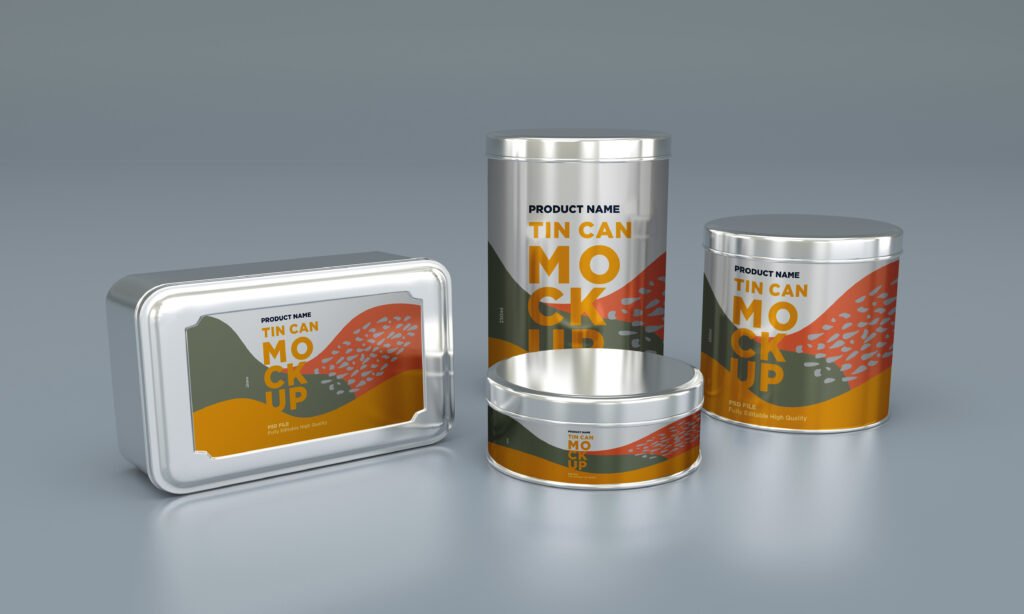
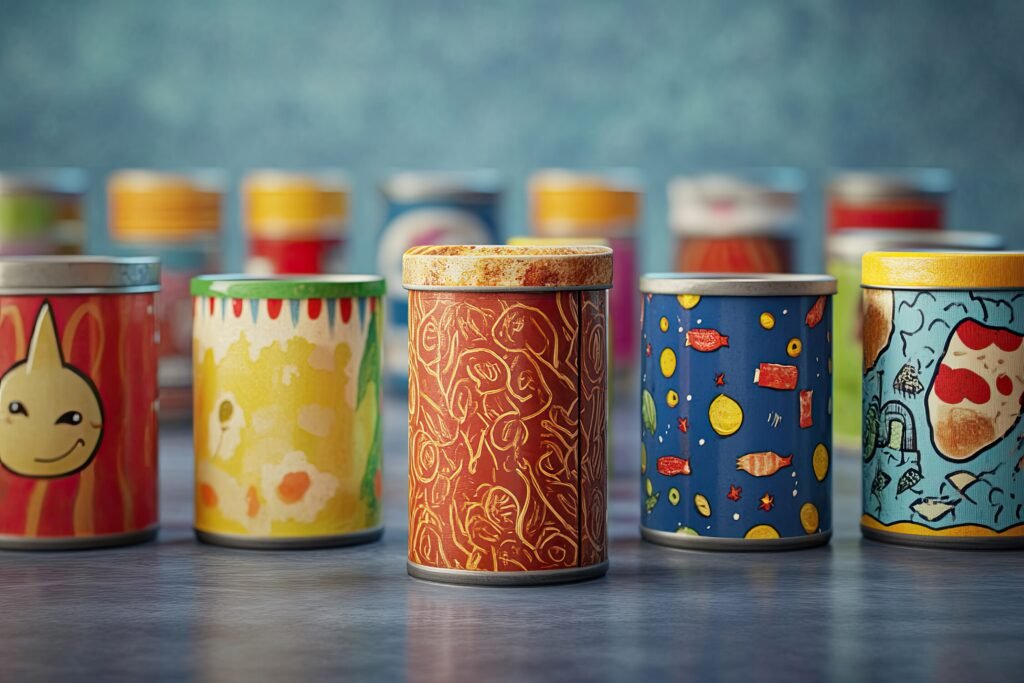


At Supertins Packaging, we help food, nutrition and lifestyle brands develop premium metal packaging solutions. Our packaging solutions are designed for applications including:
- Protein powder
- Supplements
- Coffee
- Tea
- Functional foods
We provide:
✓ Custom metal tin design
✓ Food-contact safe packaging solutions
✓ Premium printing and finishing options
✓ Airtight packaging structures
✓ Support from design development to mass production
Our goal is to help brands explore recyclable metal packaging solutions as they prepare for the future of sustainable packaging.
Conclusion
The future of packaging is changing. As regulations such as EU PPWR encourage brands to improve recyclability and reduce packaging waste, companies need to rethink traditional packaging choices. For food, nutrition and supplement brands, recyclable metal tins provide a combination of sustainability, product protection, premium appearance and brand differentiation. Moving from plastic packaging to metal packaging is not only a regulatory consideration, but it is also an opportunity for brands to create better products and stronger connections with consumers.
Frequently Asked Questions
What is the EU PPWR packaging regulation and when does it take effect?
The EU PPWR, or Packaging and Packaging Waste Regulation, is an EU-wide law setting stricter requirements for packaging recyclability, design and waste reduction. It entered into force in 2025 and will generally apply from August 2026, giving brands a defined but limited window to review, redesign and requalify their packaging before enforcement begins.
Which industries are most affected by EU PPWR?
Food, nutrition, dietary supplement, coffee and tea brands selling products in the EU are among the most affected, since these categories have long relied on plastic jars and containers. Brands in these sectors will need to reassess whether current packaging materials can meet the regulation's tighter recyclability and design requirements.
Is metal packaging fully recyclable under PPWR?
Steel-based metal packaging is one of the most widely and repeatedly recycled packaging materials in Europe, retaining its properties through multiple recycling cycles. This makes recyclable metal packaging a strong practical fit for the circular economy principles that underpin PPWR, compared with materials facing more limited recycling infrastructure.
Do brands need to switch from plastic to metal packaging immediately?
PPWR requirements are phased in over time, so an immediate, full switch is not always mandatory. However, packaging redesign, supplier requalification and production changes can take months to complete properly, so many brands are starting to evaluate recyclable alternatives like metal tins now rather than waiting until deadlines approach.
How can Supertins help brands prepare for EU PPWR compliance?
Supertins designs and manufactures custom, food-contact safe metal tin packaging, supporting brands from initial concept through mass production. For protein, supplement, coffee and tea brands, this means a single partner for recyclable tin packaging that addresses both EU PPWR packaging regulation compliance and premium, shelf-ready brand presentation.