 Skip to content
Join with SuperTins, your go-to source for premium custom tins. Elevate your brand with our wholesale options tailored to your industry.
How to Pick Tinplate vs Aluminium Packaging: A Buyer’s Guide
Date : July 6, 2026 | Time : 8:33 am
Tinplate vs aluminium packaging is often the first big choice you face when you spec metal cans for a new product. Both metals guard your product, extend shelf life, and help it stand out on the shelf. But they act differently when it comes to cost, finish, and recycling. This guide compares tinplate, aluminium, and tin-free steel side by side, using real industry data, so you can make a confident spec decision. The U.S. EPA reports that steel packaging hit a 73.8% recycling rate in 2018, which is one reason many brands still trust tinplate for food grade cans. By the end of this guide, you'll know which metal fits your product, your budget, and your shelf life goals.
Food Grade Tinplate Packaging: Why It Still Wins on Food Safety
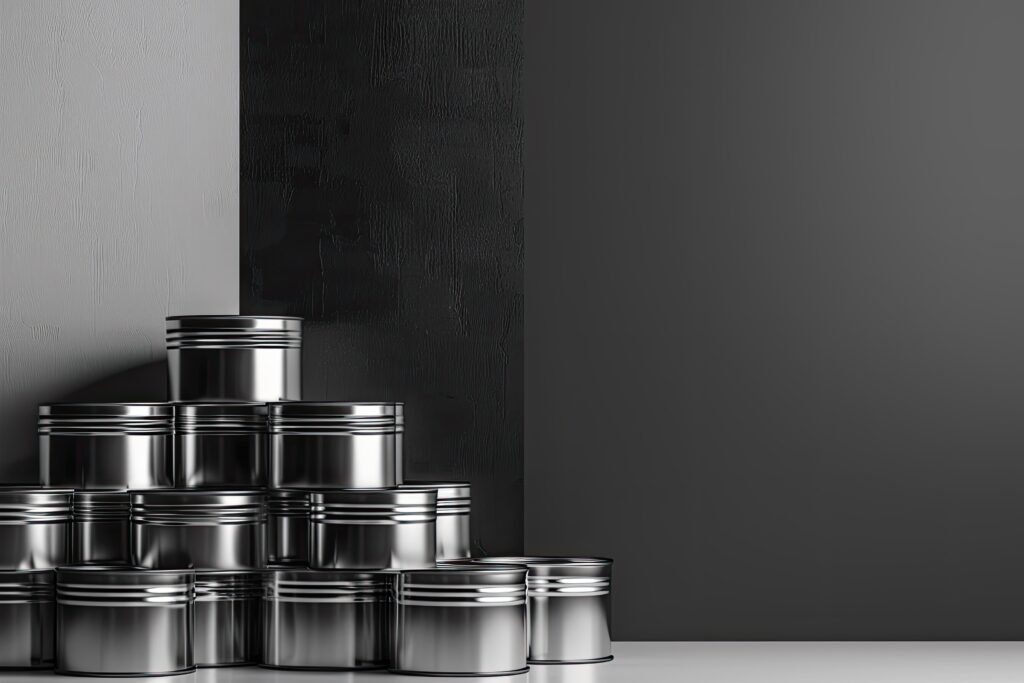
Food-grade tinplate packaging is still the top pick for shelf stable food and drink cans. You get a strong shield against air, moisture, and light, so your product stays fresh for longer.
What Makes Tinplate Food Safe
Tinplate is steel with a thin coat of tin on top. That thin tin layer fights rust, even when foods are acidic. This is why coffee, spice, and supplement brands trust hermetic tin packaging for airtight seals. Most makers also add a food safe lining inside the can for extra safety. The coating process is tightly controlled, so tin thickness stays even across every can in a batch. This consistency matters most when you run large orders across several production dates.
Tinplate vs Aluminium Packaging Compliance Standards You Should Check
Before you pick a supplier, check that their tinplate meets FDA food contact rules. Ask if it also meets RoHS rules. Request third-party test reports from groups like SGS. This one step can save your brand from a costly recall later. Keep copies of every certificate on file, since retailers and auditors often ask for them during onboarding.
A Quick Real World Case
Picture a small supplement brand that switched from a plastic tub to a hermetic tinplate can. Spoilage complaints dropped, and shelf life stretched by several months. Cases like this show why so many food and supplement brands lean on tinplate for their core product line. Similar patterns show up across the coffee and spice sectors, where light and moisture control matter just as much as branding.
Tinplate vs Aluminium Packaging for Acidic Foods
Acidic foods, like tomato sauce or citrus drinks, need extra care. Tinplate's tin layer reacts first, so it protects the taste and color inside the can. Aluminium needs a thicker inner coating to do the same job. So when it comes to tinplate vs aluminium packaging for acidic goods, tinplate often has the edge.
| Factor | Tinplate | Aluminium | Tin Free Steel |
|---|---|---|---|
| Food-contact approval | FDA, EU compliant | FDA, EU compliant | FDA, EU compliant |
| Acid resistance | High, natural tin barrier | Moderate, needs lining | Moderate, needs a coating |
| Best for | Coffee, spice, supplement tins | Beverage cans, aerosols | Can ends, easy-open lids |
Aluminium Packaging Recyclability and Weight Perks
Aluminium packaging recyclability is one of its best selling points for eco-minded brands. It's light, which cuts shipping costs, and it can be recycled again and again without losing strength.
How Aluminium Recycling Really Works
Recycled aluminium takes much less energy to remake than new metal. That's why drink brands love to say it's "endlessly recyclable." Still, real recycling rates depend on your local system, not just the metal's raw potential. Ask your supplier for the recycled content percentage in their aluminium stock, since this varies a lot by region and mill.
Weight and Shipping Cost Perks
Aluminium weighs about a third as much as steel for the same size. If you ship across countries, this adds up fast over many pallets. Lighter cans also burn less fuel in transit, which helps your green goals, too. For brands shipping by air or across long ocean routes, this weight gap can shift your total logistics budget by a noticeable margin each quarter.
Where Aluminium Falls Short
Aluminium dents more easily than tinplate. It also costs more per ton when markets swing. On its own, it handles strong acids poorly. For tough, stackable retail tins, many brands still pick tinplate or decorative tin packaging built to take a hit. If your product ships long distances or stacks high in a warehouse, this durability gap matters more than it first seems.
Tin Free Steel Packaging: A Cost Smart Middle Path
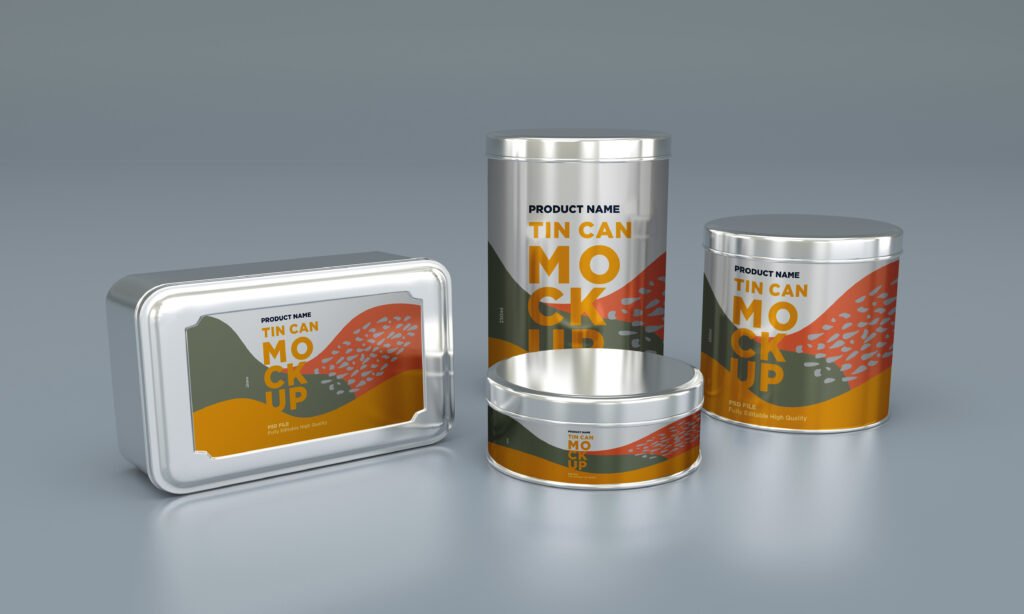
Tin free steel packaging swaps the tin layer for a thin chrome coat. This gives you a lower cost option with a great ink grip. It's a smart pick for can ends or closures rather than a full food-can body.
Where Tin Free Steel Shines
You'll spot tin free steel most in can ends, crown caps, and closures, not full can bodies. Its chrome layer bonds well with lacquer and ink, so print comes out sharp and clean. Many beverage and beer brands pair it with tinplate or aluminium bodies to cut total material cost.
Tinplate vs Aluminium Packaging Cost Compared
Tin-free steel usually costs less than tinplate, since it skips the tin coat. Aluminium sits at the top end, especially when supply runs tight. Your final price also hinges on order size, wall thickness, and finish type. If tinplate vs aluminium packaging still leaves you torn on price, tin-free steel is worth a look too. Always ask for a per-unit quote at your exact volume, since price tiers can shift sharply between small and bulk orders.
Limits to Keep in Mind
Tin-free steel needs a lacquer coat for any food use, since the bare metal is not food-safe alone. It also welds less easily than tinplate, which limits it in some can-forming steps. Some suppliers also charge extra for the lacquer stage, so confirm this cost before you finalize a quote. If your product line needs a full can body rather than just an end or closure, tinplate or aluminium usually remains the safer default.
Tinplate vs Aluminium Packaging Cost, Finish, and Brand Look
Comparing cost, finish, and brand look helps you match the right metal to your shelf goals. Each metal takes print and embossing in its own way, so plan your art around the metal you pick. This final round-up pulls the tinplate vs aluminium packaging comparison together with tin-free steel, so you can see all three side by side.
Printing and Decoration Differences
Tinplate holds bold prints and crisp embossed detail very well. That's why premium gift tins and wine and spirit cans often use it. Aluminium prints well too, but fine embossed detail is harder to pull off. If your brand leans on texture or raised logos, this gap can shape your final decision.
Tinplate vs Aluminium Packaging Matte, Gloss, and Metallic Finish Options
You can pick matte, gloss, spot-UV, or metallic finishes on tinplate, with steady results across big runs. Aluminium's softer surface can show light scuffs after a few rounds of handling and shipping.
Shelf Appeal and Retail Presentation
Shoppers judge a product by its can within seconds, so finish quality drives real sales impact. A dented or scuffed can looks cheap, even if the product inside is premium. Tinplate's harder surface holds up better through the retail supply chain, from warehouse racking to store shelves. This matters most for gift sets, seasonal tins, and any product that competes on visual shelf presence.
Budget Planning for Brand Owners
Set your budget by total landed cost, not just raw metal price. Factor in tooling, minimum order size, and lead time. Freight, duties, and warehousing all add to the real cost per unit, so ask your supplier for a full landed cost quote up front. Visit SuperTins to compare custom tin options against your own project needs.
Lead Time and Order Volume
Lead time often shifts with your print method and order size. Full color printing can take a few weeks, while label or UV printing moves faster. Larger orders usually bring your per unit price down, so plan your first run with future volume in mind.
Conclusion
Tinplate vs aluminium packaging comes down to your product, your budget, and your green goals. Tinplate wins on strength, print detail, and acid resistance. Aluminium wins on light weight and recycling appeal. Tin free steel fills the gap for closures and tight budgets. Match the metal to your fill type, your shelf life needs, and your brand's finish goals. Talk to your supplier early. Ask for test reports and sample runs before you commit to a full production order. Compare quotes across all three metals before you lock in your spec sheet. The right choice protects both your product and your brand name.
Frequently Asked Questions
Is tinplate safer than aluminium for food packaging?
Both metals are food safe when coated and certified the right way. Tinplate offers stronger natural acid resistance, while aluminium needs a thicker inner lining for acidic foods.
Which metal is more recyclable, tinplate or aluminium?
Both recycle well. Aluminium uses less energy per recycling run, but tinplate's steel base also recycles at a high rate through normal steel recovery systems.
Does tin free steel cost less than tinplate?
Yes, tin-free steel usually costs less, since it skips the tin coat. It works best for can ends and closures, not full food-can bodies.
Can I get custom finishes on tinplate cans?
Yes, tinplate takes matte, gloss, spot-UV, and metallic finishes well. It also holds sharp embossed detail better than aluminium across large runs.
How do I choose between tinplate vs aluminium packaging for my brand?
Base your pick on food acidity, shelf life needs, ship weight, and finish goals. Ask your supplier for samples and test reports before you decide. Most brand owners settle the tinplate vs aluminium packaging question by running a short pilot batch first.