 Skip to content
Join with SuperTins, your go-to source for premium custom tins. Elevate your brand with our wholesale options tailored to your industry.
Ultimate Guide to Custom Tin Printing Techniques 2026
Date : July 9, 2026 | Time : 11:35 am
Custom tin printing transforms ordinary metal containers into powerful brand ambassadors that capture consumer attention and drive sales. Whether you're launching premium tea collections, luxury cosmetic lines, or memorable promotional gifts, selecting the right printing technique directly impacts your product's market success. This comprehensive guide reveals five essential printing methods that industry leaders use to create stunning, durable packaging that builds lasting brand recognition.
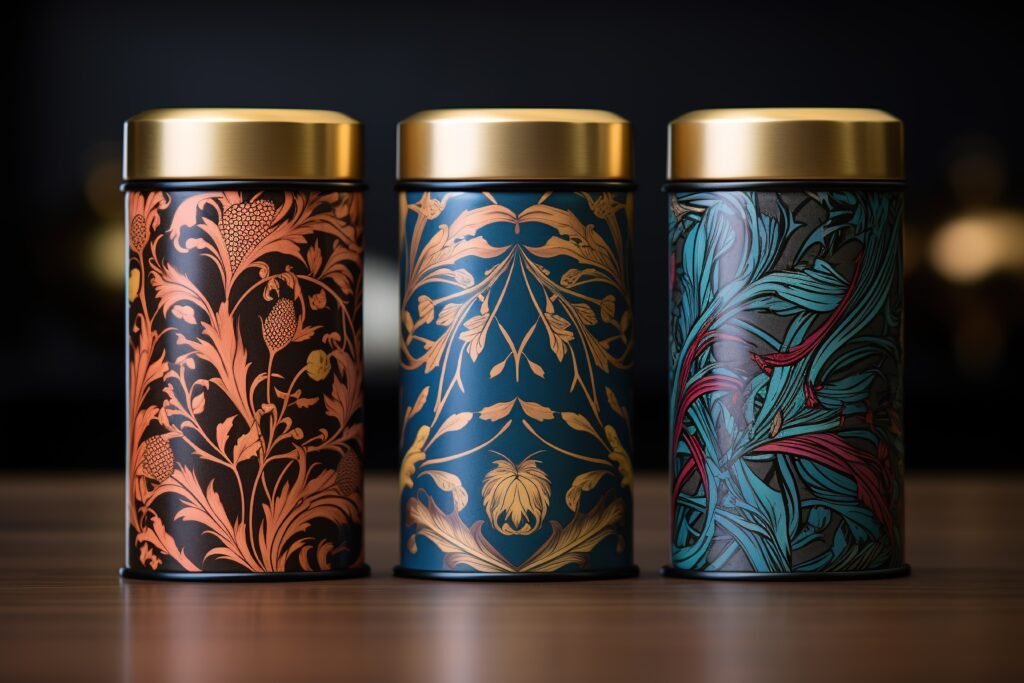
UV Printing: Premium Quality for Custom Tin Packaging
UV printing delivers exceptional color vibrancy and instant curing for high speed custom tin production. This advanced technique uses ultraviolet light to cure specialized inks directly onto metal surfaces, creating durable, fade resistant graphics perfect for premium applications.
The global metal print packaging market reached $118.82 billion in 2025 and projects 5.15% growth through 2031, driven by increasing demand for sustainable, visually appealing packaging solutions.
UV Printing Applications and Use Cases
| Application | UV Printing Benefits | Best Products |
|---|---|---|
| Food & Beverage | FDA-approved inks, moisture resistance | Coffee tins, tea containers, spice jars |
| Cosmetics | High-gloss finish, premium appearance | Skincare tins, perfume packaging |
| Promotional Items | Vibrant colors, quick turnaround | Limited editions, seasonal campaigns |
UV Custom Tin Printing Specifications
Color Accuracy: UV printing achieves ±2 Delta E color matching, ensuring brand consistency across production runs. SuperTins maintains strict quality control with color calibration checks every 500 units.
Resolution Capabilities: UV systems handle line screens up to 250 LPI, reproducing fine details and small text clearly on metal surfaces.
Substrate Compatibility: UV inks adhere excellently to aluminum, tinplate, and tin-free steel without primer requirements, reducing production steps and costs.
Choose UV printing when you need fast turnarounds, premium finishes, or food-safe applications. It's ideal for orders from 1,000 to 50,000 units where quality takes priority over economy.
Offset Lithography: Cost Effective Custom Tin Printing
Offset lithography offers the most economical solution for large scale custom tin printing projects. This proven technique transfers ink from plates to rubber blankets before applying it to tin surfaces, delivering consistent quality across thousands of units at competitive costs.
Offset printing dominates commercial tin production because it spreads setup costs across large runs. Your per unit costs decrease significantly as quantities increase, making it perfect for established products and major campaigns.
Offset Custom Tin Printing Process
Pre Press Excellence: Your artwork undergoes professional color separation into CMYK plates. Each color requires separate aluminum printing plates created using precise laser or chemical etching processes.
Consistent Color Reproduction: Offset printing maintains uniform color across entire production runs. SuperTins uses automated ink density controls to ensure brand colors remain identical from first tin to final unit.
Quality Control Systems: Each production run includes color matching samples verified against approved artwork standards. We monitor registration tolerance within ±0.2mm for perfect alignment.
Economic Advantages of Offset Tin Printing
Material Optimization: Offset systems handle various substrate materials efficiently, from lightweight aluminum to heavy gauge tinplate, without tooling changes.
Speed Capabilities: Modern offset presses produce up to 15,000 impressions per hour, enabling large volume completion within tight deadlines.
| Order Quantity | Cost Per Unit | Setup Time | Best Applications |
|---|---|---|---|
| 5,000-10,000 | $0.85-$1.20 | 2-3 days | Standard product lines |
| 10,000-25,000 | $0.60-$0.85 | 2-3 days | Major campaigns |
| 25,000+ | $0.45-$0.60 | 3-4 days | Mass market products |
Offset Custom Tin Printing Quality Standards
Registration Precision: SuperTins maintains ±0.2mm registration tolerance, significantly tighter than the industry standard of ±0.5mm. This ensures perfect alignment between colors and design elements.
Color Consistency: Automated color management systems maintain ±2 Delta E throughout production runs, guaranteeing brand color integrity.
Surface Quality: Offset printing produces smooth, even ink coverage without texture variations, creating a professional appearance across all printed areas.
Embossing Techniques for Premium Custom Tin Appeal
Embossing creates raised 03 dimensional designs that engage multiple senses simultaneously. This sophisticated finishing technique adds tactile appeal and perceived value, making your products stand out through both visual and physical consumer interaction.
Research shows that 73% of consumers associate embossed packaging with higher product quality and willingly pay premium prices. Embossing transforms ordinary tins into luxury experiences that command attention and justify higher margins.
Types of Embossing for Custom Tins
Blind Embossing: Creates raised designs without ink or foil application for subtle, elegant effects. Perfect for luxury positioning and sophisticated brand messaging where understated quality matters most.
Foil Embossing: Combines raised surface texture with metallic foil application, producing premium finishes that reflect light. Gold, silver, and copper foils create stunning focal points for logos and key design elements.
Multi-Level Embossing: Different heights within single designs create complex visual effects. This advanced technique produces dramatic shadows and highlights that change with viewing angles and lighting conditions.
Embossing Design Specifications
Minimum Feature Size: Design elements must exceed 0.5mm width for clear reproduction. Smaller details may not emboss properly due to metal thickness and pressure limitations.
Optimal Depth Range: Embossing depths between 0.1mm and 0.8mm work best for standard tin materials. Deeper impressions require heavier gauge metals and specialized tooling.
Metal Grain Considerations: Embossing achieves best results when major design elements align with metal rolling direction during manufacturing. This prevents cracking and ensures clean impressions.
| Design Element | Recommended Depth | Minimum Width | Best Applications |
|---|---|---|---|
| Text | 0.2-0.4mm | 1.0mm | Company names, product titles |
| Logos | 0.4-0.6mm | 2.0mm | Brand marks, symbols |
| Decorative Patterns | 0.1-0.3mm | 0.8mm | Borders, backgrounds |
| Premium Accents | 0.6-0.8mm | 3.0mm | Focal points, special features |
Debossing for Elegant Custom Tin Finishes
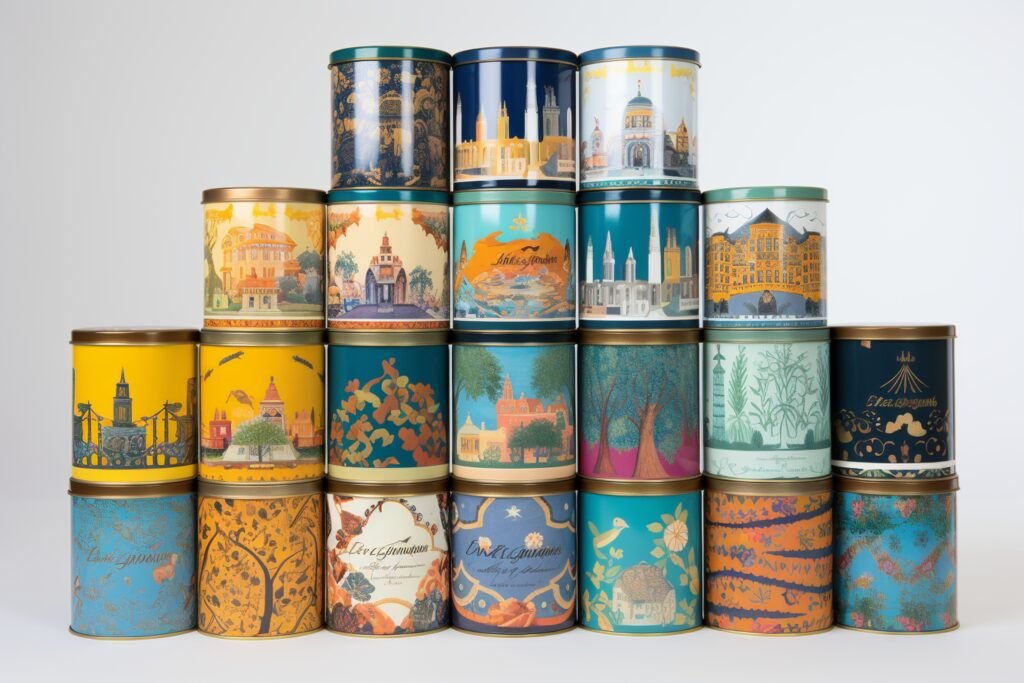
Debossing creates recessed designs that provide sophisticated contrast and shadow effects. This technique presses designs below the surface level, offering refined alternatives to embossing that work exceptionally well for minimalist branding and premium positioning.
Debossing appeals to consumers seeking understated elegance and premium quality indicators. The technique particularly suits brands emphasizing craftsmanship, heritage, or luxury positioning where subtle sophistication matters more than bold impact.
Debossing Technical Process
Precision Die Creation: Debossing requires male dies that press into tin surfaces, creating permanent depressions forming your design elements. SuperTins uses CNC-machined steel dies for maximum precision and longevity.
Controlled Pressure Application: Hydraulic presses apply consistent pressure across all debossed areas while preventing metal tearing or excessive deformation. Pressure settings adjust based on material thickness and design complexity.
Surface Finishing Options: Debossed areas can receive additional treatments, including selective painting, antiquing effects, or contrasting textures to enhance visual impact and brand differentiation.
Debossing vs Embossing Comparison
| Aspect | Debossing | Embossing |
|---|---|---|
| Visual Effect | Recessed, shadow-creating | Raised, highlight-creating |
| Ink Compatibility | Excellent with color fills | Better without ink overlay |
| Production Cost | Lower tooling costs | Higher tooling costs |
| Durability | Excellent wear resistance | Good wear resistance |
Advanced Debossing Design Guidelines
Typography Considerations: Sans-serif fonts with stroke widths above 1mm deboss more clearly than thin serifs. Avoid script fonts and complex letterforms that may lose definition in recessed areas.
Logo Simplification: Complex logos require adaptation for effective debossing. Focus on primary brand elements and essential details while eliminating fine lines and small text that won't reproduce clearly.
Registration Requirements: Combining debossing with printing demands precise registration, preventing misalignment between impressed and printed elements. SuperTins maintains ±0.1mm registration accuracy for perfect alignment.
Crystal Stickers and Premium Finishing Options
Crystal stickers add sparkling, 03 dimensional accents that transform ordinary tins into luxury experiences. These precision cut gems create light catching focal points, communicating premium quality and attention to detail, perfect for high end products and special editions.
Crystal Types and Applications
Swarovski Elements: Genuine crystal components offer maximum brilliance and fire, creating premium packaging for luxury cosmetics, jewelry, and high-end gifts. These Austrian crystals provide unmatched light refraction and prestige positioning.
Acrylic Crystals: Cost-effective alternatives provide excellent light refraction while maintaining durability for fashion accessories and promotional items. Available in multiple colors and sizes for creative applications.
Colored Gemstones: Specialty colors match brand themes and seasonal campaigns. Custom cutting available for unique shapes, sizes, and color combinations that align with specific brand requirements and aesthetic preferences.
Application Precision and Durability
| Crystal Type | Light Refraction | Durability | Cost Level | Best Applications |
|---|---|---|---|---|
| Swarovski | Excellent | Superior | Premium | Luxury goods |
| Acrylic | Good | Excellent | Moderate | Mid-range products |
| Glass | Very Good | Good | Economic | Promotional items |
Artwork Requirements for Custom Tin Printing
Professional artwork preparation ensures optimal results across all printing techniques. File quality directly impacts production efficiency, color accuracy, and final appearance, making proper submission critical for successful projects and avoiding costly reprints.
Understanding artwork requirements prevents production delays while ensuring your creative vision translates accurately to finished tins. SuperTins provides comprehensive file checking and optimization services to guarantee perfect results.
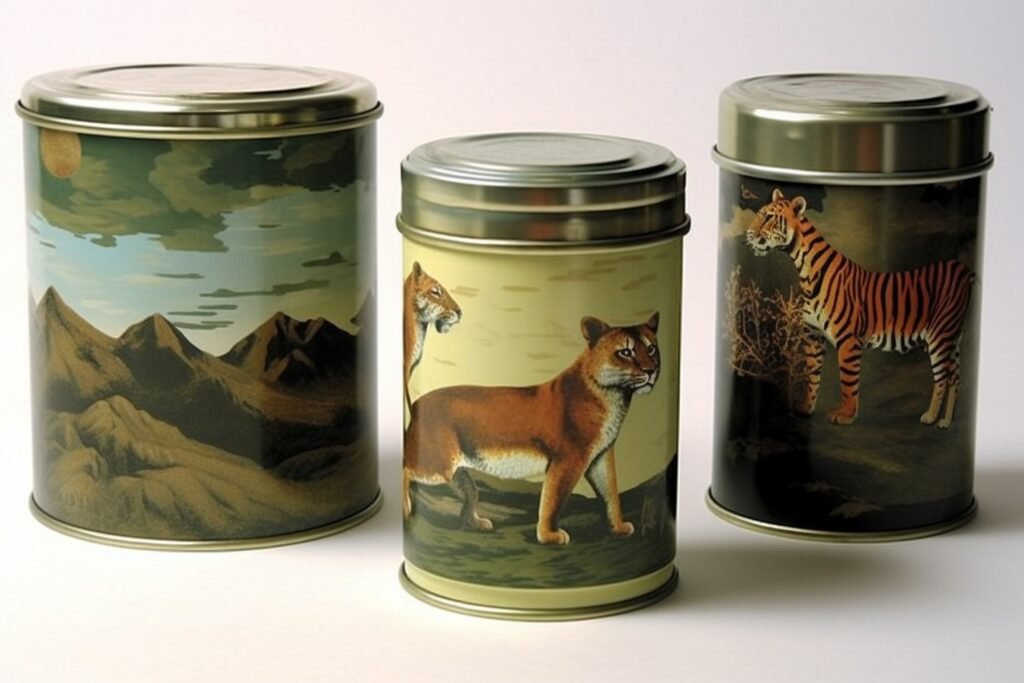
Universal File Format Standards
Vector Graphics Preferred: Adobe Illustrator (.AI), Encapsulated PostScript (.EPS), or PDF formats maintain crisp edges and scalability essential for tin printing. Vector files prevent pixelation when resizing and ensure clean reproduction.
Resolution Requirements: Raster images must be minimum 300 DPI at actual print size, with 600 DPI preferred for fine details and small text elements. High resolution prevents blurry or pixelated final prints.
Color Mode Specifications: Submit artwork in CMYK color mode for offset printing, with separate Pantone color callouts for spot color applications. RGB files cause color shifts and unpredictable results in commercial printing.
Printing Technique Specific Requirements
UV Printing Specifications: High-resolution CMYK files with special attention to black ink coverage and transparency effects. UV systems handle complex gradients and fine details exceptionally well when files are properly prepared.
Offset Printing Preparation: Color separations with proper trapping and overprint settings prevent registration issues during high-speed production. Professional pre-press services ensure optimal plate creation and color accuracy.
Embossing/Debossing Files: Single-color vector files showing exact areas for dimensional treatment, with separate artwork layers for printed and dimensional elements. Clear separation prevents confusion during production setup.
| File Element | Standard Requirement | SuperTins Standard |
|---|---|---|
| Resolution | 300 DPI minimum | 350 DPI preferred |
| Bleed Area | 3mm standard | 4mm for precision |
| Safety Zone | 5mm from edges | 6mm recommended |
| Color Accuracy | ±5 Delta E | ±2 Delta E guaranteed |
Conclusion
Custom tin printing success depends on selecting the right technique for your specific needs, budget, and brand positioning. SuperTins' expertise across all five techniques: UV printing, offset printing, embossing, debossing, and crystal stickers, ensuring optimal results that enhance your brand presence and drive market success through stunning, durable packaging that captures consumer attention and builds lasting brand loyalty.
FAQ
What file formats work best for custom tin printing?
Vector formats like AI, EPS, and PDF provide optimal results for all printing techniques. These formats maintain crisp edges and scalability essential for professional tin printing reproduction.
How long does custom tin printing take from approval?
UV printing delivers finished tins in 7-10 business days after artwork approval. Offset printing requires 2-3 weeks, while embossing and debossing add one additional week for die creation and setup processes.
Can multiple printing techniques be combined on one tin?
Yes, combining techniques creates premium appearances and competitive differentiation. Popular combinations include offset base printing with embossed logos, UV printing with crystal applications, and debossed text with selective color filling.
What minimum order quantities apply to custom tin printing?
UV printing starts at 1,000 units, while offset printing typically requires 3,000-5,000 unit minimums to justify setup costs. SuperTins offers flexible minimums based on specific project requirements and printing techniques selected.
Are there food safety considerations for custom tin printing?
All SuperTins printing inks and coatings meet FDA food contact standards under section 178.3297. UV inks and protective coatings prevent metal-to-food interaction while maintaining compliance for direct food contact applications.